Photograph Verification
Given
that forged certificates can trigger severe legal, financial, and professional
repercussions, verification acts as a critical mechanism for guaranteeing
authenticity, credibility, and compliance across both public and private
domains.
Photograph
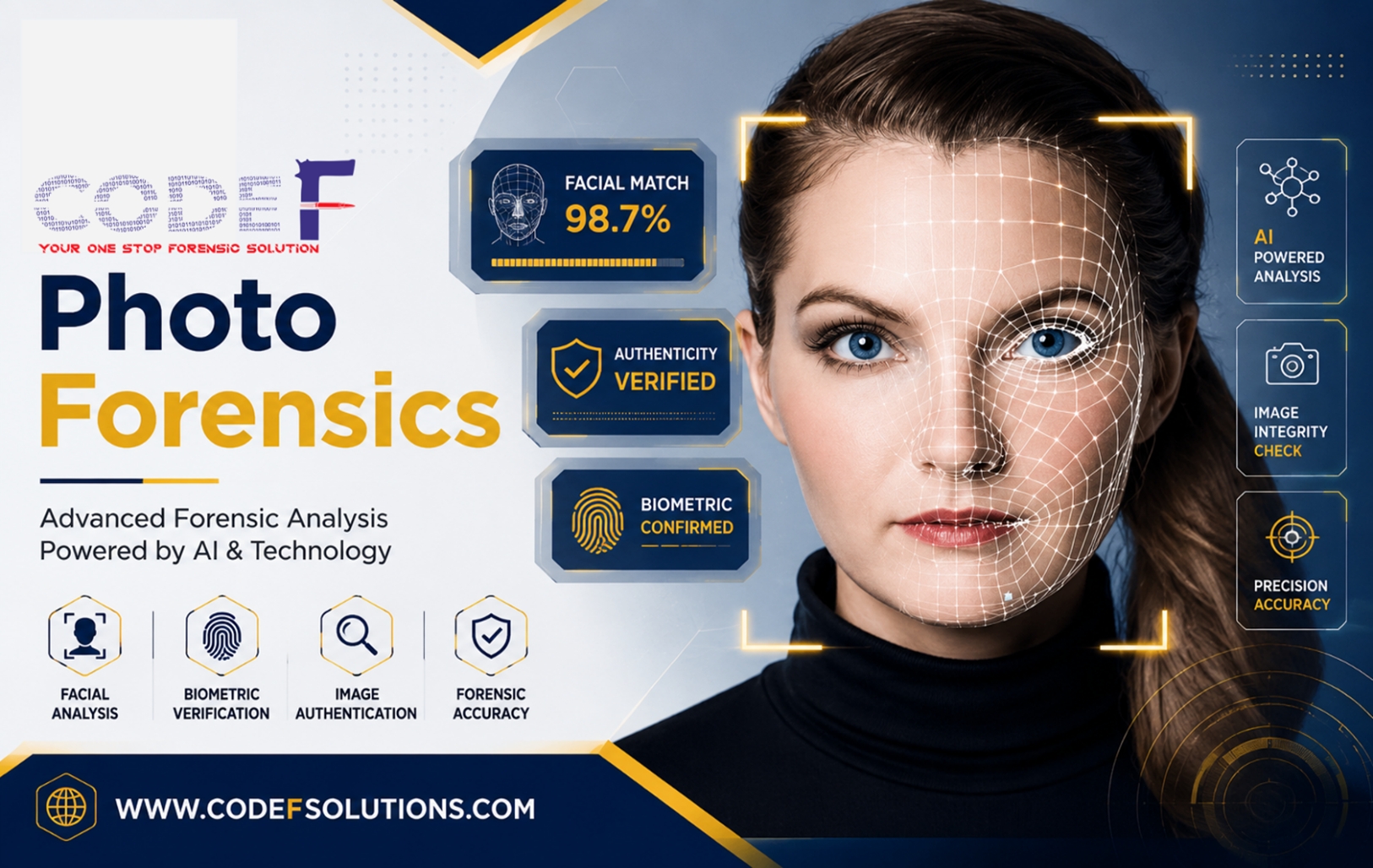
verification is a forensic and analytical process used to examine the
authenticity, originality, and integrity of photographs. The purpose of this
examination is to determine whether an image is genuine, digitally altered,
manipulated, edited, or misrepresented. With the increasing use of digital
editing software and online image sharing, photograph verification has become
an essential part of forensic investigations, legal proceedings, identity
verification, and cybercrime analysis.
During
the verification process, forensic experts analyze various aspects of an image,
including metadata, pixel structure, lighting consistency, shadows,
reflections, image resolution, compression patterns, editing traces, and
background details. Specialized forensic software and digital imaging tools are
used to identify signs of tampering such as cloning, splicing, object removal,
image enhancement, or fabricated content. Experts may also compare photographs
with original sources or reference materials to confirm authenticity.
Photograph
verification is commonly used in several areas, including:
·
Criminal and cybercrime investigations
·
Verification of identity and official records
·
Detection of edited or manipulated images
·
Social media and online fraud investigations
·
Insurance claim and accident investigations
·
Court evidence authentication
·
Passport, visa, and ID verification processes
·
Media and journalistic content verification
Because
photographs are widely used as evidence and proof of identity, photograph
verification plays a critical role in ensuring reliability, preventing
misinformation, and supporting accurate forensic and legal conclusions.