Fingerprint Development
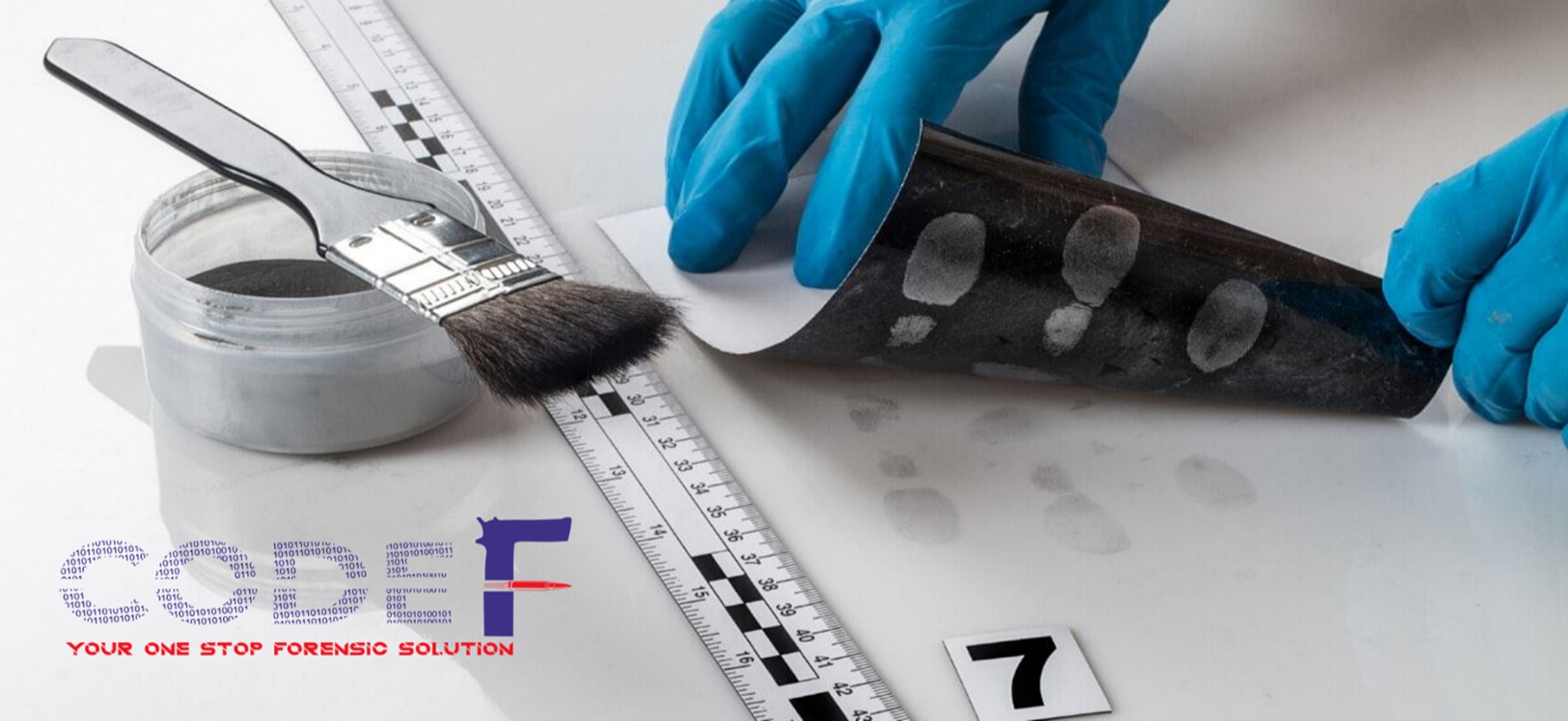
Fingerprint
development is a forensic process used to detect, visualize, and preserve
latent or invisible fingerprints found on various surfaces. Latent fingerprints
are usually formed when natural oils, sweat, or other substances from the skin
are transferred onto an object through touch. Since these prints are often not
visible to the naked eye, specialized techniques and chemicals are used to make
them visible for examination and identification purposes.
Forensic
experts apply different fingerprint development methods depending on the type
of surface and environmental conditions. Common techniques include powder
dusting, ninhydrin treatment, cyanoacrylate (superglue) fuming, iodine fuming,
silver nitrate treatment, and the use of ultraviolet or alternate light
sources. Once developed, fingerprints are photographed, lifted, and preserved
as evidence for comparison and analysis.
Fingerprint
development plays a crucial role in several areas, including:
·
Crime scene investigations
·
Identification of suspects and individuals
·
Recovery of latent fingerprints from evidence
·
Verification of physical contact with objects
·
Burglary, theft, and homicide investigations
·
Examination of documents, weapons, and
electronic devices
·
Forensic laboratory analysis and evidence
preservation
·
Legal and court-related investigations
Because
fingerprints are unique and permanent to every individual, fingerprint
development remains one of the most reliable and widely used forensic
techniques for personal identification and criminal investigation.