Fingerprint Analysis
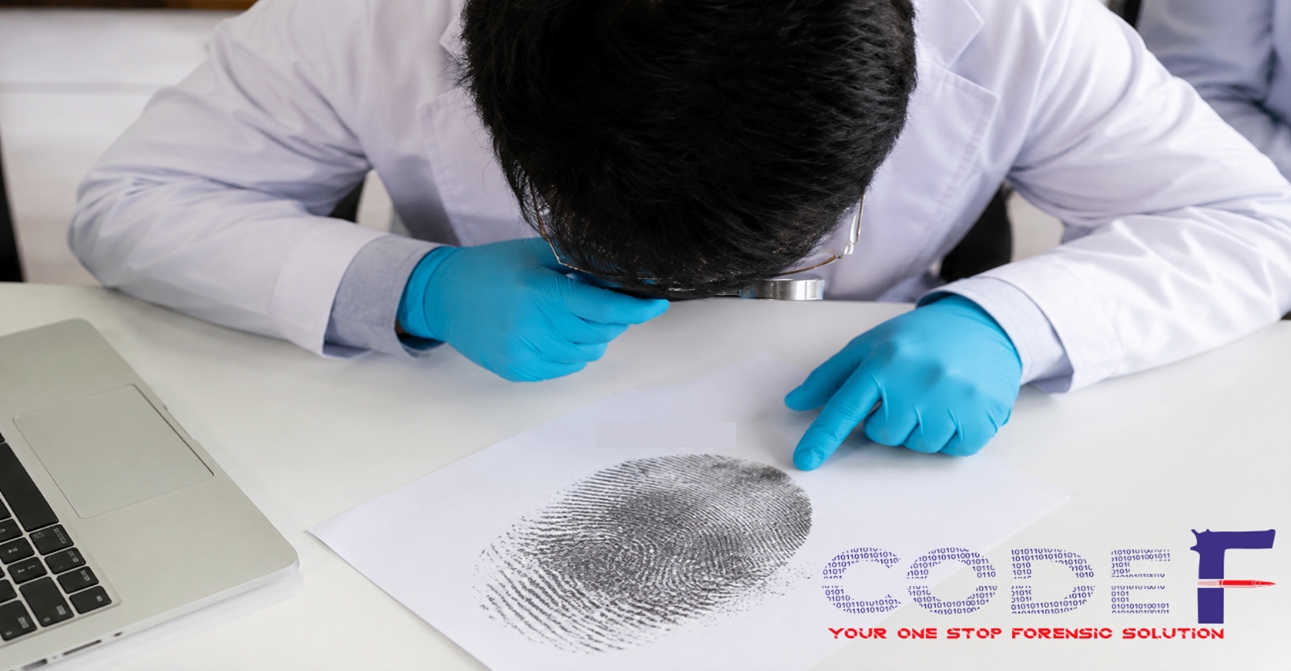
Fingerprint
analysis is a scientific method used in forensic investigations to identify and
compare the unique ridge patterns present on human fingers. Since every
individual possesses distinct fingerprint characteristics that remain unchanged
throughout life, fingerprints are considered one of the most reliable forms of
personal identification. This examination helps forensic experts establish or
confirm the identity of individuals involved in criminal, civil, or
security-related cases.
During
the analysis process, forensic specialists examine details such as ridge flow,
bifurcations, ridge endings, islands, dots, and overall fingerprint patterns
including loops, whorls, and arches. These unique characteristics are compared
with known fingerprint samples using manual examination methods and advanced
biometric technologies. The accuracy and individuality of fingerprints make
fingerprint analysis a highly dependable forensic tool worldwide.
Fingerprint
analysis plays a significant role in several areas, including:
·
Criminal investigations and suspect
identification
·
Verification of personal identity
·
Fraud and forgery detection
·
Document and record authentication
·
Police clearance and background verification
·
Security and access control investigations
·
Identification of unknown or missing
individuals
·
Biometric attendance and surveillance systems
Because
of its scientific reliability and evidential value, fingerprint analysis
continues to be one of the most effective and widely accepted techniques in
forensic science and law enforcement investigations.