Document Authenticity Analysis
Document
authenticity analysis is a forensic examination process used to determine
whether a document is genuine, altered, forged, or fabricated. This field of
forensic science involves the detailed inspection of physical and visual
characteristics of documents to identify signs of tampering, manipulation,
counterfeiting, or unauthorized modifications. The objective is to establish
the originality and integrity of a document for legal, financial,
administrative, or investigative purposes.
Forensic
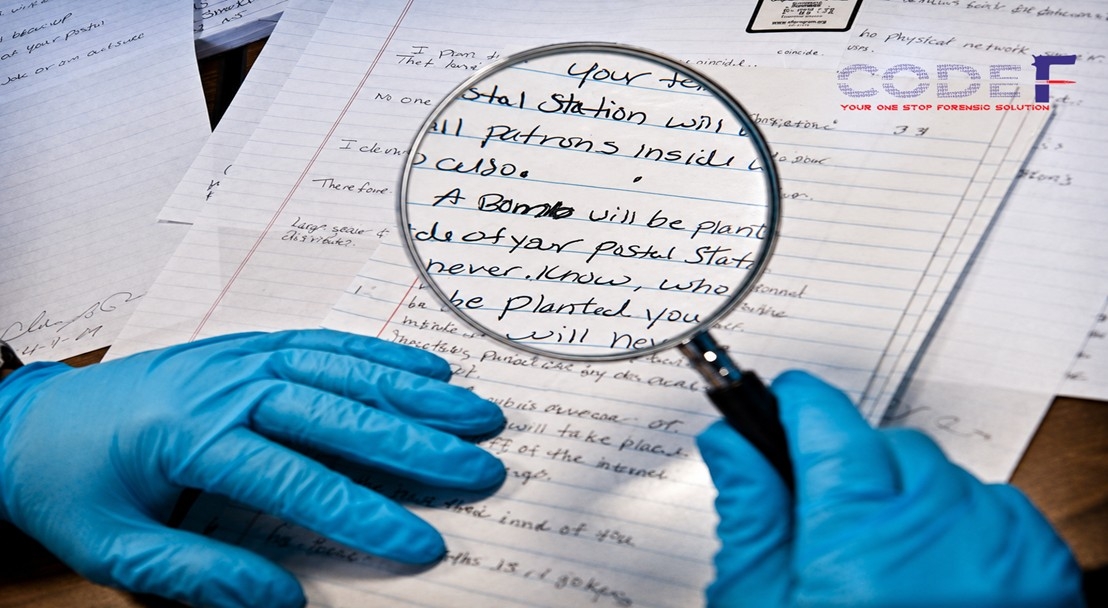
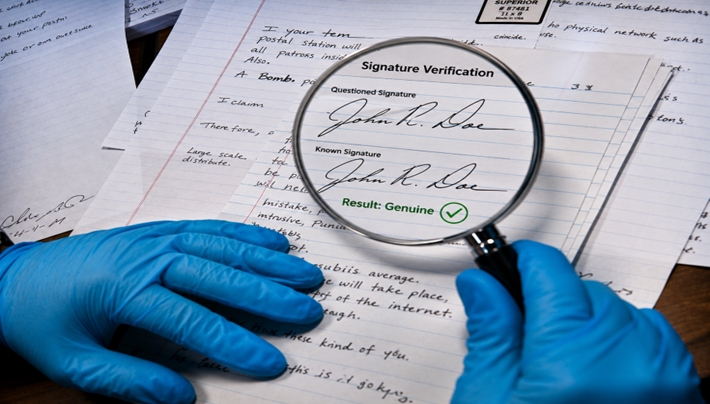
document examiners analyze various elements such as handwriting, signatures,
ink, paper quality, printing methods, stamps, seals, erasures, alterations,
overwriting, and security features. Specialized tools including ultraviolet
(UV) light, infrared imaging, microscopes, digital enhancement systems, and
chemical analysis techniques are used to detect hidden changes or
inconsistencies that may not be visible to the naked eye.
Document
authenticity analysis plays a major role in several areas, including:
·
Verification of legal and official documents
·
Detection of forged or altered certificates
·
Examination of contracts, agreements, and
wills
·
Banking and financial fraud investigations
·
Passport, visa, and identity document
verification
·
Authentication of educational and employment
records
·
Insurance and property dispute investigations
·
Criminal and civil court proceedings
Due
to its importance in identifying fraudulent documentation and protecting the
integrity of records, document authenticity analysis is widely used by forensic
laboratories, law enforcement agencies, financial institutions, and legal
authorities.