Certificate Verification
Certificate
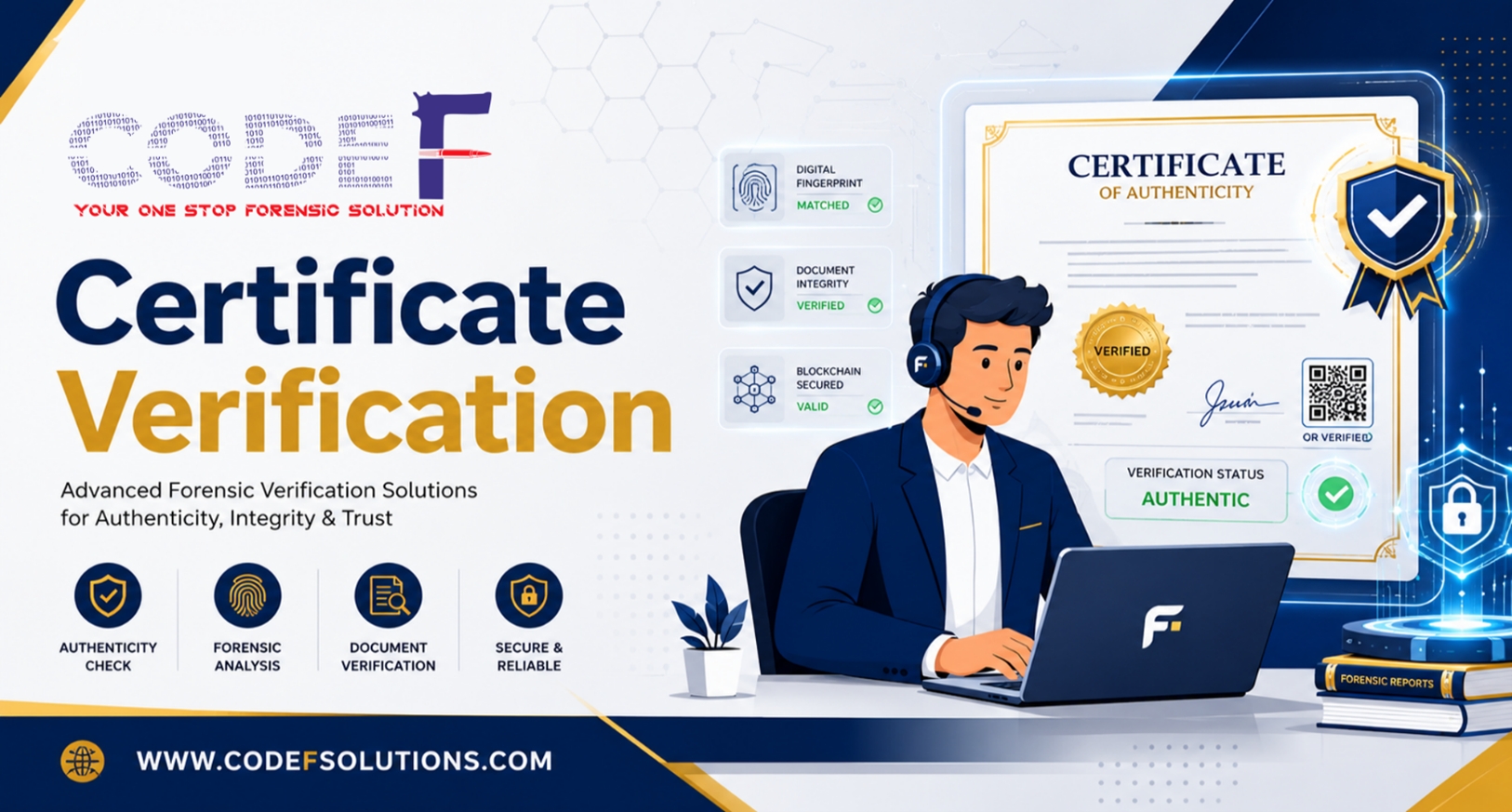
verification involves reviewing and confirming the authenticity, accuracy, and
legitimacy of credentials granted by educational institutions, government
agencies, professional bodies, or other authorized entities. This verification
procedure ensures that a certificate is authentic, officially issued, and
unaltered by forgery, modification, or unauthorized changes. It serves a
critical function in upholding trust, curbing fraud, and guaranteeing the
credibility of both individuals and organizations.
When
verifying certificates, specialists scrutinize critical components including
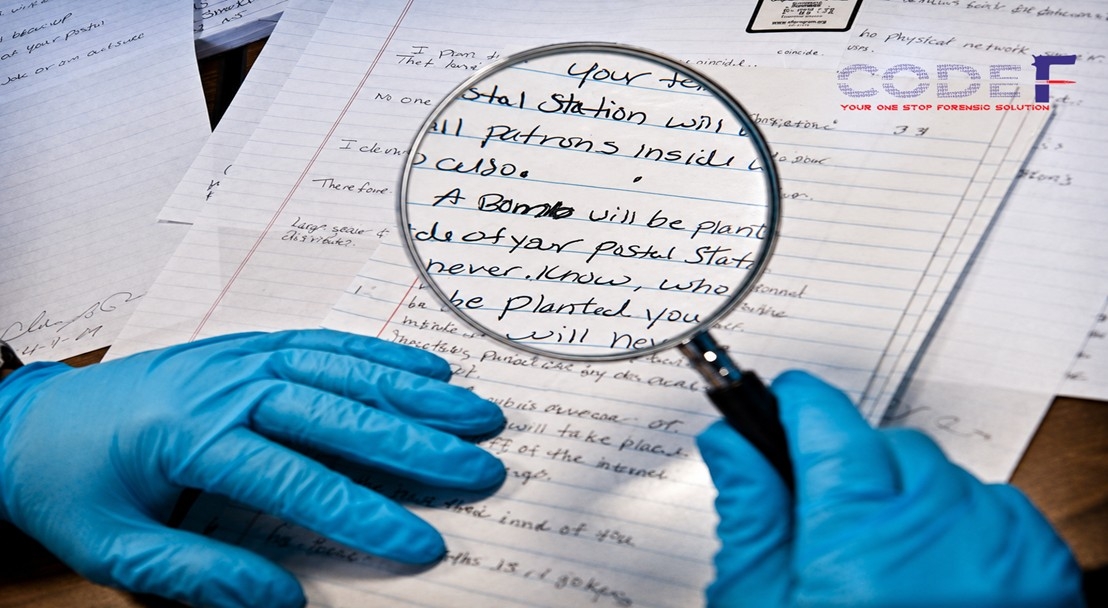
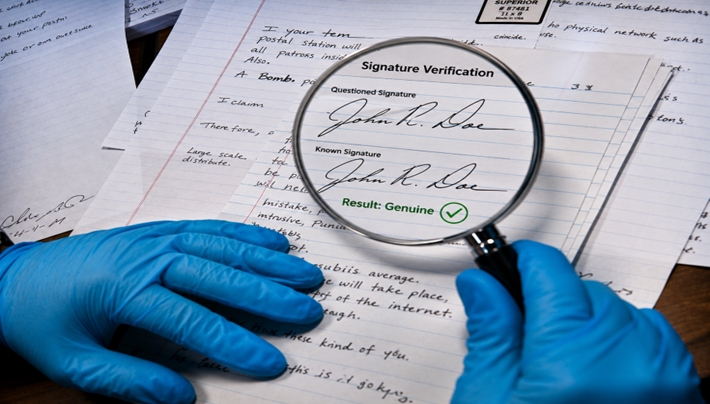
signatures, seals, logos, watermarks, serial numbers, printing patterns, paper
quality, security features, and records from the issuing authority. Advanced
forensic methods and digital verification tools can also help detect forged or
altered certificates. Often, verification requires directly comparing
certificate information against the issuing body's records or official
database.
Certificate
verification is extensively applied across multiple domains, such as:
·
Educational qualification verification
·
Employment and background screening
·
Government document authentication
·
Professional license and certification
validation
·
Immigration and visa application processes
·
Recruitment and corporate hiring procedures
·
Scholarship and admission verification
·
Fraud prevention and legal investigations