DNA Fingerprinting
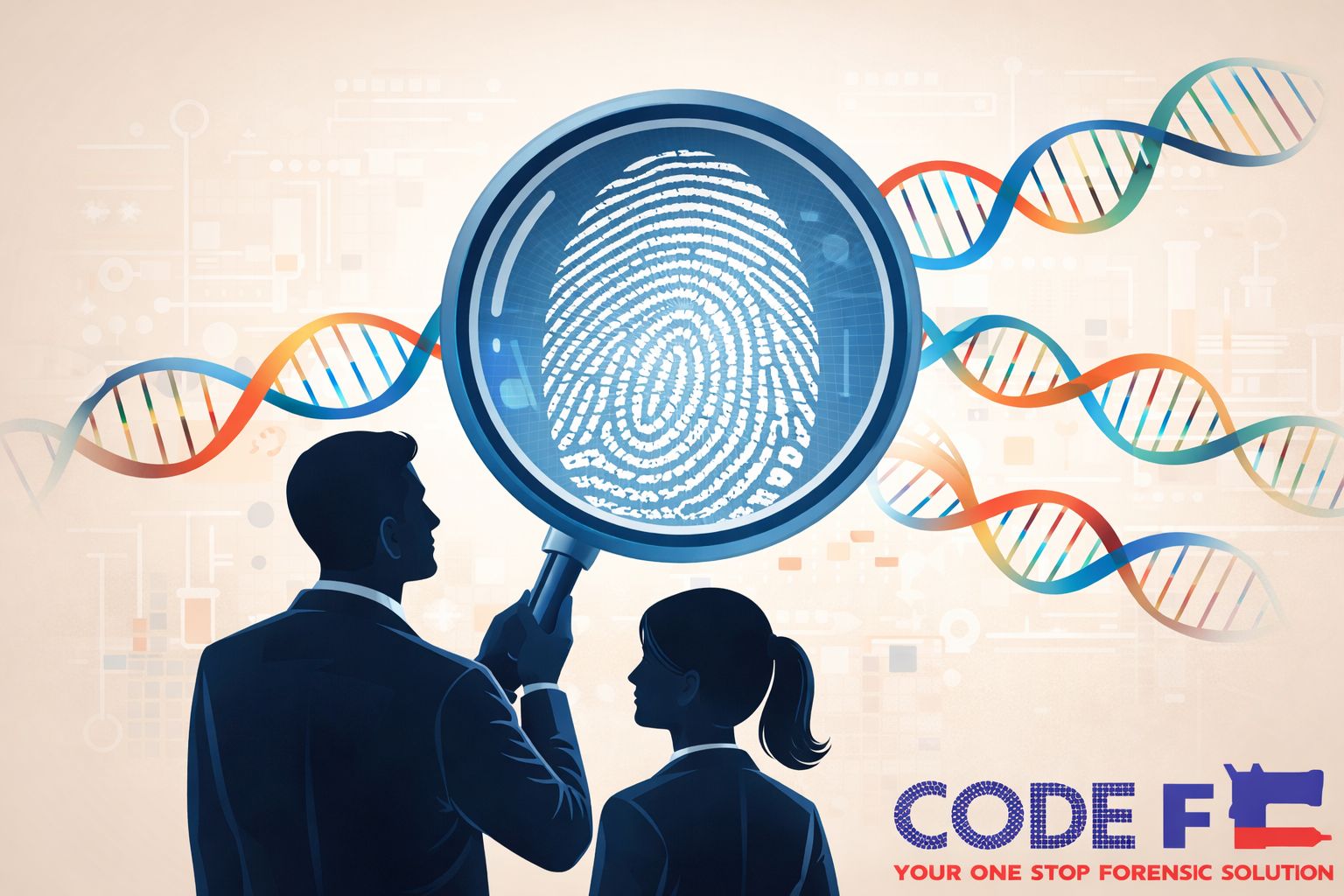
DNA analysis, also known as DNA profiling,
is a sophisticated forensic method used to collect, study,
and compare genetic material from biological samples like blood, saliva, hair (including the root), skin cells, semen,
or tissue. While 99.9% of human DNA is the same across individuals,
the small 0.1% difference includes unique genetic markers called Short
Tandem Repeats (STRs), which make each person's DNA distinct,
except for identical twins. This uniqueness helps forensic experts create a DNA profile,
which functions like a biological fingerprint for precise identification.
⚖️ Forensic Importance & Applications
✅
1. Verifying IdentitiesDNA can be used to confirm the identity of people who
are unknown, such as in cases involving missing persons, identifying victims of disasters,
or recognizing bodies that have not been identified.
????
2. Linking Suspects to Crime ScenesEven the smallest biological samples, like skin cells left from touching something,
can connect a person to a place, weapon, or victim.
⚖️
3. Resolving Criminal & Insurance DisputesDNA evidence serves as clear, scientific proof that supports legal cases and helps settle disputes, including those involving insurance claims that
may be false.
???????????? 4. Paternity/Maternity Disputes
DNA testing is highly accurate and can determine if someone is the biological parent of another person with over 99.99% certainty.
????
5. Driver Identification in Hit-and-Run CasesBiological materials such as blood, hair, or skin cells found in
a vehicle can help determine who was driving during
an accident.
CodeF Solutions PVT LTD
Lorem ipsum dolor sit amet consectetur adipisicing elit sed do eiusmod tempor incididunt ut labore ullamco aliquip commodo.